Struggling Struggling with Chronic Stress in Belfast?
Struggling with chronic stress?
For many people, stress shows up physically as muscle tension, poor posture, fatigue, or ongoing discomfort—particularly in the neck, shoulders, and back.
At Avalon Chiropractic in Belfast, we focus on understanding how these physical effects may be contributing to your symptoms and supporting your body in managing them more effectively.
For many people, stress shows up physically as muscle tension, poor posture, fatigue, or ongoing discomfort—particularly in the neck, shoulders, and back.
At Avalon Chiropractic in Belfast, we focus on understanding how these physical effects may be contributing to your symptoms and supporting your body in managing them more effectively.
For many people, stress shows up physically as muscle tension, poor posture, fatigue, or ongoing discomfort—particularly in the neck, shoulders, and back.
At Avalon Chiropractic in Belfast, we focus on understanding how these physical effects may be contributing to your symptoms and supporting your body in managing them more effectively.
Chronic stress is increasingly common—but its impact on the body is often underestimated.
Chronic stress is increasingly common—but its impact on the body is often underestimated.
At Avalon Chiropractic, we focus on understanding how stress may be contributing to physical tension and discomfort, not just the symptoms themselves. That means helping you move more comfortably and better manage how your body responds over time.

What Is Chronic Stress?
What Is Chronic Stress?
Chronic stress refers to a prolonged state of physical and mental tension.
While short-term stress can be a normal part of life, ongoing stress can keep the body in a more constant state of alertness, which may influence how muscles, joints, and the nervous system function over time.
How Stress Can Affect the Body
Stress doesn’t just affect your thoughts—it can also show up physically.
You may notice:
- Muscle tension, especially in the neck and shoulders
- Headaches or tightness around the head
- Changes in posture
- Fatigue or low energy
- Difficulty relaxing or switching off
- Disrupted sleep
The body and mind are closely connected—ongoing stress can influence how your body feels and moves.
Why It Matters for Your Physical Health
Over time, chronic stress may contribute to ongoing physical discomfort.
This can include:
- Neck and shoulder tension
- Tension-type headaches
- Reduced mobility
- Increased sensitivity to discomfort
- Slower recovery from physical strain
Addressing physical tension and movement can be an important part of managing how stress affects the body.
START YOUR RECOVEY TODAY
Chronic Stress is common—but that doesn’t mean you have to put up with it.
Chronic Stress is common—but that doesn’t mean you have to put up with it.
Chronic stress can build gradually—but so can positive change. By understanding how stress affects your body and taking steps to support it, you can improve how you feel day to day.
At Avalon Chiropractic in Belfast, we’re here to support you.

When Should You Seek Support?
You may benefit from support if:
- You feel constantly tense or “on edge”
- You’re experiencing ongoing muscle tightness or discomfort
- Stress is affecting your sleep or energy
- You’re noticing recurring headaches or neck pain
- You want to take a more proactive approach to your health
Simple Ways to Manage Stress Physically
Small, consistent changes can help support your body:
- Take regular movement breaks throughout the day
- Spend time outdoors where possible
- Focus on steady, relaxed breathing
- Stay active with regular, gentle exercise
- Create time to switch off from screens
Supporting your body physically can play a role in managing the effects of stress.
How Chiropractic Care Can Help
At Avalon Chiropractic in Belfast…
Care may include:
- Improving movement in the spine and joints
- Reducing muscle tension
- Supporting better posture
- Encouraging more efficient movement patterns
- Providing advice on daily habits and movement
This approach focuses on helping your body function more comfortably and adapt to physical stress more effectively.

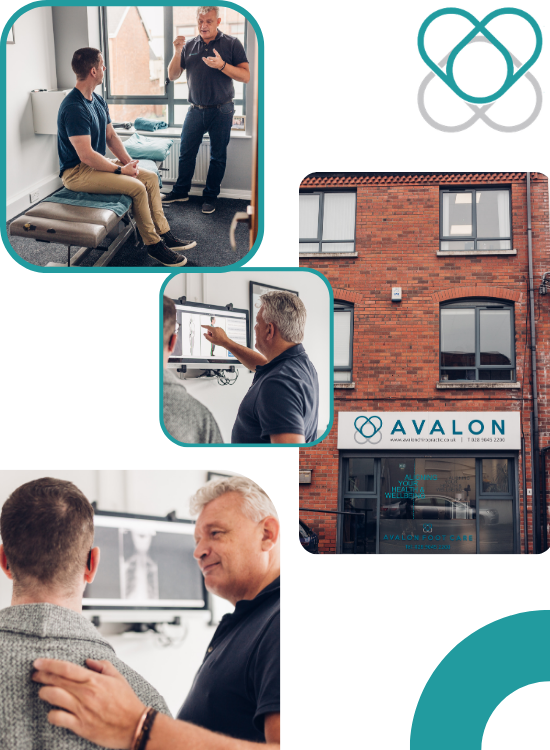
What happens in your first appointment at Avalon?
What happens in your first appointment at Avalon?
Your first appointment is all about understanding your situation properly.
At Avalon Chiropractic, we’ll take the time to:
- Talk through your symptoms and history
- Assess how your body moves
- Identify contributing factors
- Explain clearly what’s going on
- Create a plan tailored to you
This allows us to understand how physical tension and movement patterns may be linked to what you’re experiencing and in many cases, treatment can begin on the same day.
Why Choose Avalon Chiropractic?
With 27 years of experienced, Keith leads the way with evidence-informed chiropractic care in Belfast.
Friendly, professional environment in a convenient Belfast location, easily accessible.
Personalised treatment tailored to your needs, Focused on long-term results—not quick fixes.
FAQ’s
Can stress cause physical pain?
Yes—stress can contribute to muscle tension, which may lead to discomfort in areas like the neck, shoulders, and back.
Why do I feel tense all the time?
Ongoing stress can keep the body in a more alert state, which may lead to increased muscle tension.
Can movement help with stress?
Regular movement can support overall wellbeing and may help reduce physical tension.
Does posture change when stressed?
Yes—stress can influence posture and movement patterns over time.
Can stress affect sleep?
Stress can impact sleep patterns, which may affect how the body feels and recovers.
How can I reduce physical tension from stress?
Movement, posture awareness, and regular breaks can all help reduce physical tension.
Can stress make existing pain worse?
Stress can increase muscle tension and sensitivity, which may make symptoms feel more noticeable.
Is it normal to feel physically affected by stress?
Yes—many people experience physical symptoms alongside stress.
When should I seek help for stress-related symptoms?
If symptoms are ongoing, affecting daily life, or worsening, it’s worth seeking support.
Meet the team