Why Movement Can Help Reduce Anxiety
More Than Just a Mental Experience
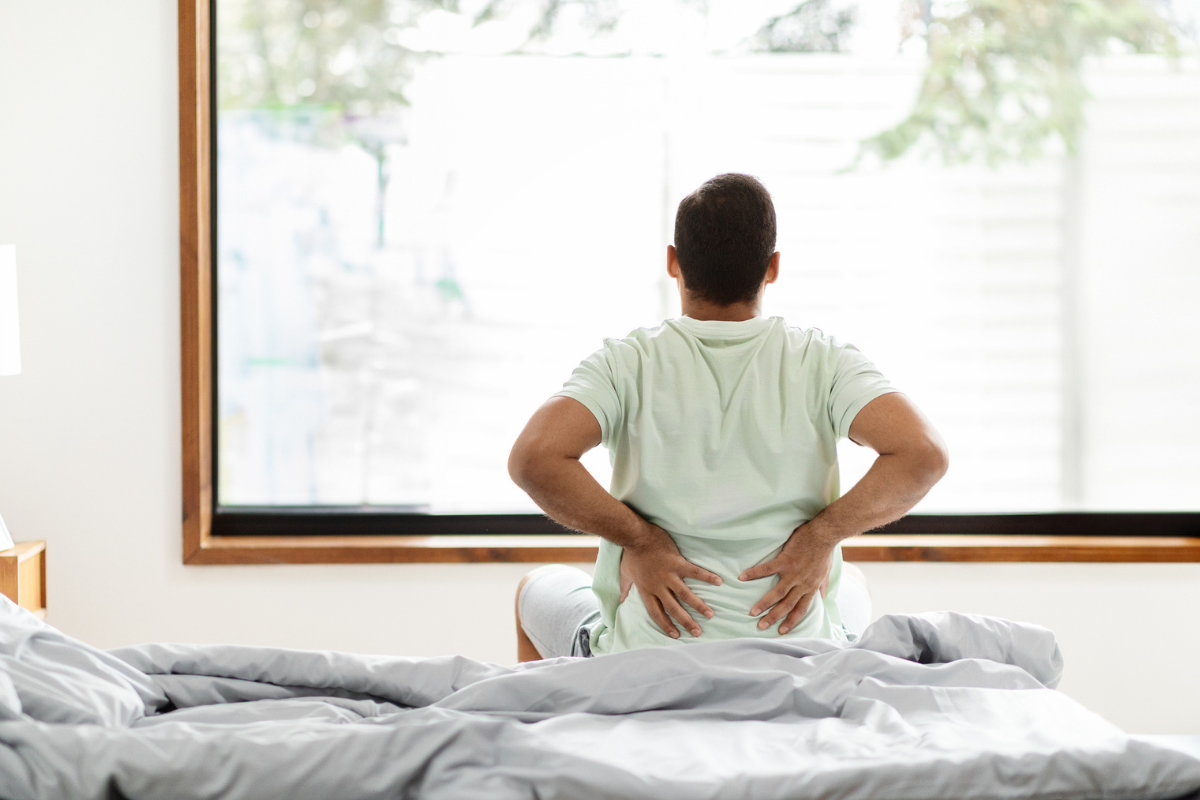
Anxiety can often be thought of as something that happens in the mind—racing thoughts, constant worry, difficulty switching off. But for many people, it doesn’t stay there. It shows up in the body as well. Tight shoulders, a stiff neck, shallow breathing, or a general sense of tension that never quite settles are all common physical signs.
This is an important point, because it changes how we approach it. The body and mind are not separate systems. They are closely linked, and what happens in one will often influence the other. In many cases, supporting the body is a practical way to begin easing how we feel mentally.
Understanding the Body’s Stress Response
At the centre of this connection is the nervous system. This is the system that controls how the body responds to stress. When we feel under pressure, the body naturally shifts into a more alert state. Heart rate increases, breathing becomes quicker, and muscles tighten, preparing us to react.
This response is useful in short bursts. It’s designed to help us deal with immediate challenges. The difficulty is that modern life often keeps us in this state for longer than intended. Work demands, screens, and a constant flow of information can mean the body rarely fully switches off.
Over time, that heightened state can begin to feel normal. The body stays slightly tense, breathing becomes more shallow, and the nervous system remains on edge. This is where physical symptoms of anxiety often start to build.
The Impact of Staying Still
Many daily routines involve long periods of sitting—at a desk, in a car, or on the sofa. While this might seem restful, the body is not necessarily relaxed in these positions. Muscles can remain contracted, posture can become slouched, and breathing can become restricted.
When movement is limited, tension has fewer opportunities to release. The body holds onto it instead. This can create a cycle where physical tightness reinforces a sense of unease, and that unease, in turn, increases physical tension.
It’s not simply about inactivity—it’s about how that inactivity affects the body over time.
How Movement Helps Regulate Anxiety
Movement provides a way to interrupt that cycle.
When the body begins to move, muscles that have been held tight are allowed to loosen. This alone can create a noticeable sense of relief. Breathing often becomes deeper and more natural, which can help calm the body’s stress response without conscious effort.
Movement also supports circulation and encourages the body to shift out of a heightened state. In simple terms, it helps the nervous system recognise that it is safe to relax. While this doesn’t remove anxiety entirely, it can reduce its physical intensity and make it feel more manageable.
There is also a mental benefit. Movement can provide a break from repetitive thoughts, even if only for a short time. That shift in focus, combined with the physical changes happening in the body, can help create a greater sense of balance.
It Doesn’t Need to Be Complicated
One of the most common misunderstandings is that movement has to be structured or intense to be effective. In reality, small and regular changes are often enough.
Simple actions—standing up more frequently, going for a short walk, stretching, or adjusting posture—can all make a difference. The key is consistency rather than intensity. Giving the body regular opportunities to move and reset can help prevent tension from building up in the first place.
For many people, this approach feels more realistic and easier to maintain over time.
A Chiropractic Perspective
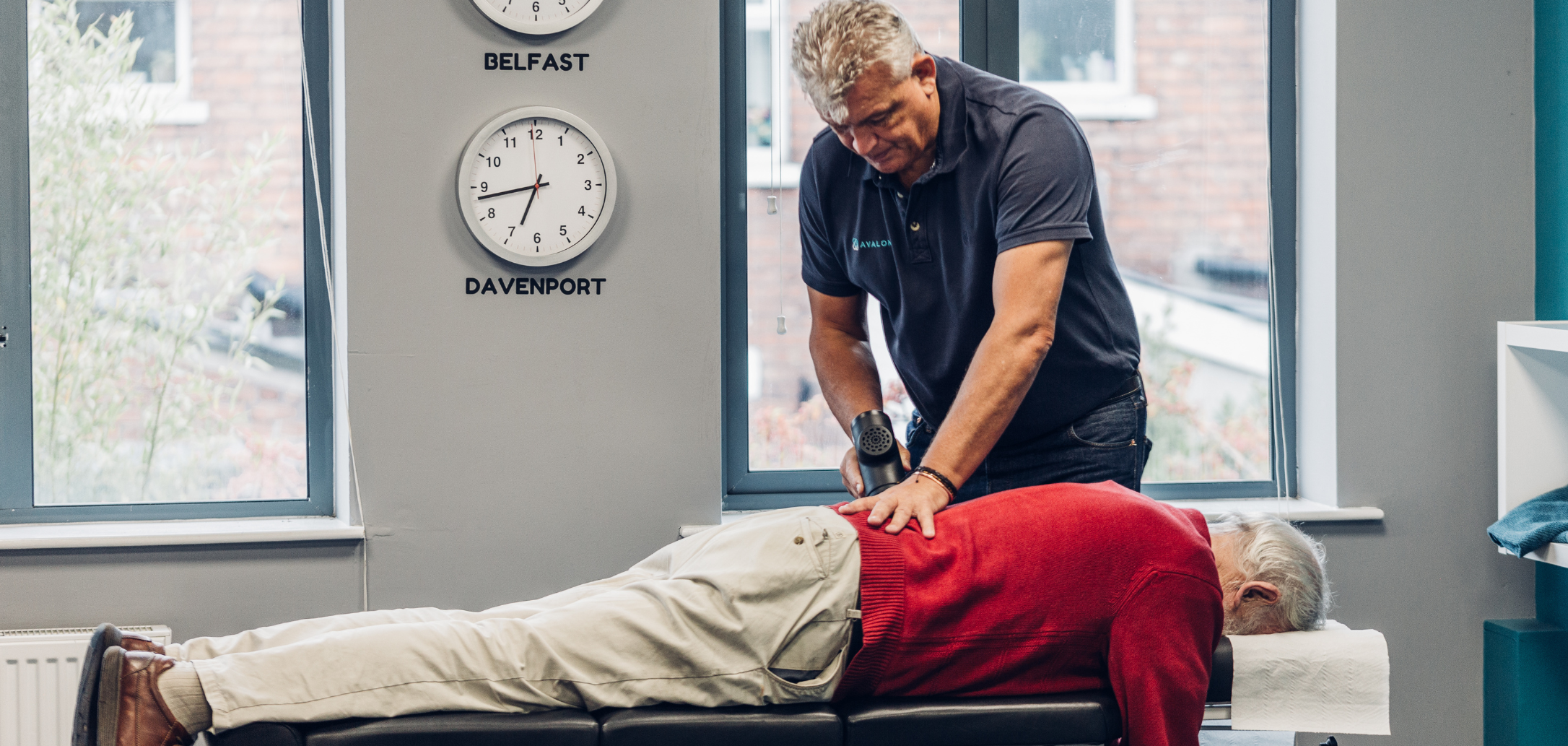
From a chiropractic point of view, movement—particularly through the spine and joints—is an important part of overall health. When joints are not moving as well as they should, it can contribute to stiffness, discomfort, and ongoing tension.
This physical stress can add to what the body is already managing. By improving movement and reducing restriction, it helps the body ease some of that load, feel less tense and more balanced, therefore helping you manage stress more generally.
Small Changes, Meaningful Impact
For many people, the starting point is simply awareness. Noticing how long the body has been still, recognising areas of tension, and taking small opportunities to move throughout the day, or at the very least stretch out those areas of tension.
These changes may seem minor, but they can build over time. Regular movement helps the body feel less restricted, breathing becomes easier, and the nervous system has more opportunities to settle.
In a fast-paced environment, it’s easy to overlook these basics. But often, it’s the simple, consistent actions that have the most lasting effect. By supporting the body through movement, we also create the conditions for the mind to feel a little more at ease.
Published by Avalon Chiropractic 12th May 2026