What sitting does to your metabolism
For many of us, sitting is simply part of everyday life. Whether you’re working at a desk, commuting, watching your favourite TV series or scrolling through your phone, those hours soon add up.
Most people associate sitting for too long with a stiff back or aching shoulders, but its effects go much further than that. Long periods of inactivity can influence how your body uses energy, how well your muscles work, how efficiently your blood circulates and even how energetic you feel.
The good news? You don’t need to train for a marathon or spend hours in the gym to counteract the effects. Simply moving more often throughout the day can make a meaningful difference to your health.
What Is Your Metabolism?
Your metabolism is the collection of chemical processes that keep your body alive and functioning. It converts the food you eat into energy, allowing everything from breathing and digestion to repairing cells and maintaining your body temperature to happen.
Even when you’re asleep, your metabolism is still hard at work. However, movement plays an important role in how much energy your body uses throughout the day. The more your muscles are working, the more energy they require.
Does Sitting Really Slow Your Metabolism?
In short, yes—but perhaps not in the way many people imagine.
Sitting doesn’t suddenly switch your metabolism off. Instead, because your muscles are doing very little work, your body burns less energy than it would if you were standing, walking or moving around regularly.
Research has also shown that prolonged periods of sitting can reduce the activity of enzymes involved in breaking down fats and make it harder for your muscles to help regulate blood sugar. While these changes are unlikely to be noticeable after one afternoon at your desk, they can add up over months and years if sitting becomes your default for most of the day.
That’s why health experts recommend breaking up long periods of sitting with regular movement whenever possible.
1. You Burn Fewer Calories
This is the most obvious effect of sitting.
When you’re seated, your muscles require relatively little energy, meaning you naturally burn fewer calories than you would while standing or walking.
This doesn’t mean you need to be constantly exercising. Small moments of movement—walking to refill your water bottle, taking the stairs or standing while making a phone call—all contribute to your daily energy expenditure.
These small habits may seem insignificant on their own, but repeated day after day they can make a meaningful difference.
2. Your Muscles Become Less Active
Your body is designed to move.
Large muscle groups in your legs, hips and core play an important role in supporting your posture and helping you move efficiently. When you sit for long periods, many of these muscles become much less active.
Over time, this can contribute to reduced muscle strength and endurance, particularly if sitting dominates most of your waking hours.
Since muscles are among the body’s biggest users of energy, keeping them active throughout the day also helps support a healthy metabolism.
3. Your Body Handles Blood Sugar Less Efficiently
Every time your muscles contract during activities like walking or climbing stairs, they help remove glucose from your bloodstream to use as fuel.
When you’re inactive for long periods, those muscles aren’t working as effectively, making it harder for your body to manage blood sugar efficiently.
This is one reason why many experts recommend taking a short walk after meals or simply standing up and moving around every hour if you have a desk-based job.
4. Your Circulation Slows Down
Movement acts like a natural pump for your circulation.
As the muscles in your legs contract, they help move blood back towards your heart. When you remain seated for long periods, this pumping action becomes less effective.
You might notice your legs feel stiff, your ankles become swollen after a long journey or you simply feel sluggish after spending hours at your desk.
Even a few minutes of walking can help get your circulation moving again.
5. Sitting Can Leave You Feeling More Tired
It sounds a little backwards.
After all, sitting isn’t exactly hard work.
However, many people find that the less they move, the less energetic they feel. Regular movement helps improve circulation, delivers oxygen around the body and can help you feel more alert and focused throughout the day.
If you’ve ever stood up for a quick walk and returned to your desk feeling refreshed, you’ve probably experienced this effect yourself.
Is Sitting Bad for You?
Not at all.
Sitting itself isn’t the problem. The issue is staying in the same position for hours without moving.
Modern life often requires us to sit, whether we’re working, travelling or relaxing. Rather than trying to eliminate sitting altogether, it’s much more realistic—and beneficial—to make movement a regular part of your day.
Think of it as giving your body regular opportunities to reset.
Simple Ways to Move More Every Day
The best changes are often the easiest ones to stick with.
Try incorporating some of these simple habits into your daily routine:
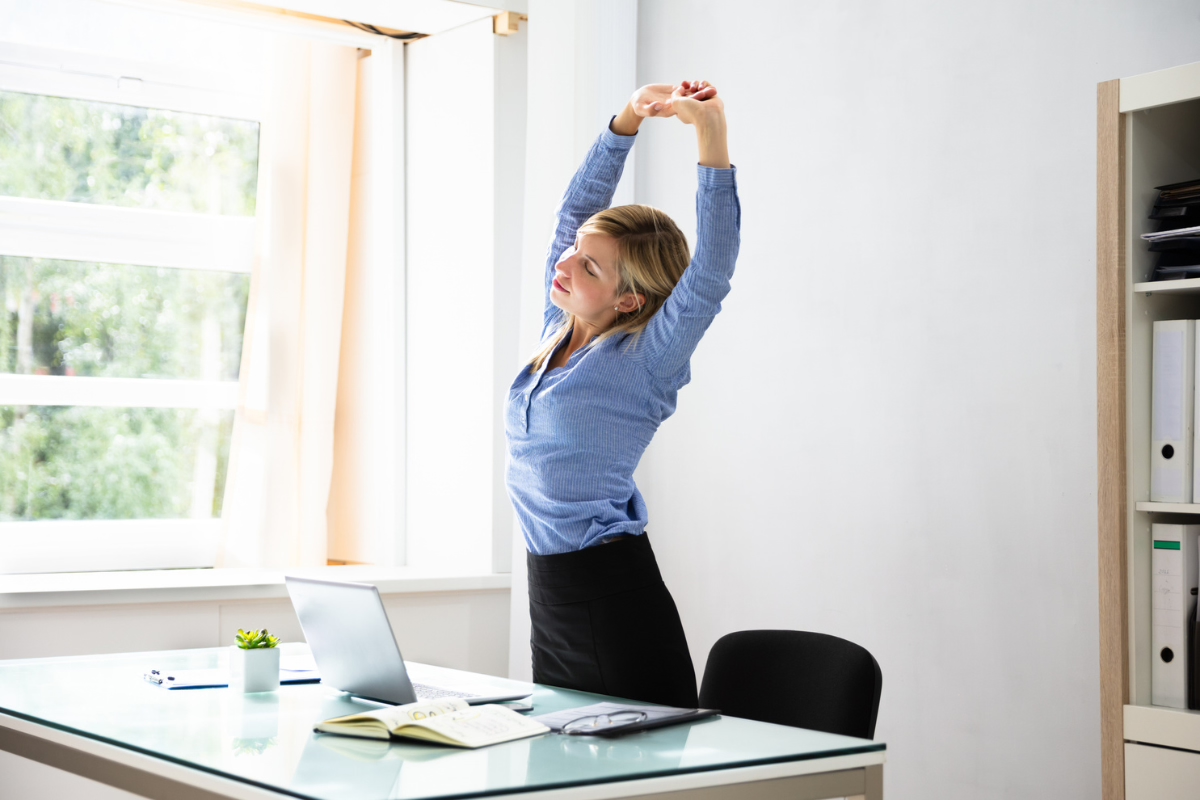
- Stand up and stretch every 30 to 60 minutes.
- Walk while taking phone calls.
- Use the stairs instead of the lift when you can.
- Park a little further from your destination.
- Take a 10-minute walk after lunch.
- Stretch while waiting for the kettle to boil.
- Set a reminder on your phone or smartwatch to get up and move.
None of these require special equipment or lots of extra time, but together they can help reduce the amount of time you spend sitting still.
Small Changes Add Up
It’s easy to think that only long workouts count, but that’s simply not true.
Your body responds well to regular movement throughout the day. Standing up, stretching or taking a short walk might seem insignificant in the moment, but these small actions can help support your metabolism, keep your muscles active, improve circulation and leave you feeling more energised.
At Avalon Chiropractic, we’re passionate about helping people make small, sustainable lifestyle changes that support long-term health and wellbeing. Whether it’s moving a little more, improving your posture or finding simple ways to stay active, every positive step counts.
Published by the team at Avalon Chiropractic, Belfast on 18th August 2026