
Men’s Health and Spinal Care
The Everyday Aches We Learn to Live With
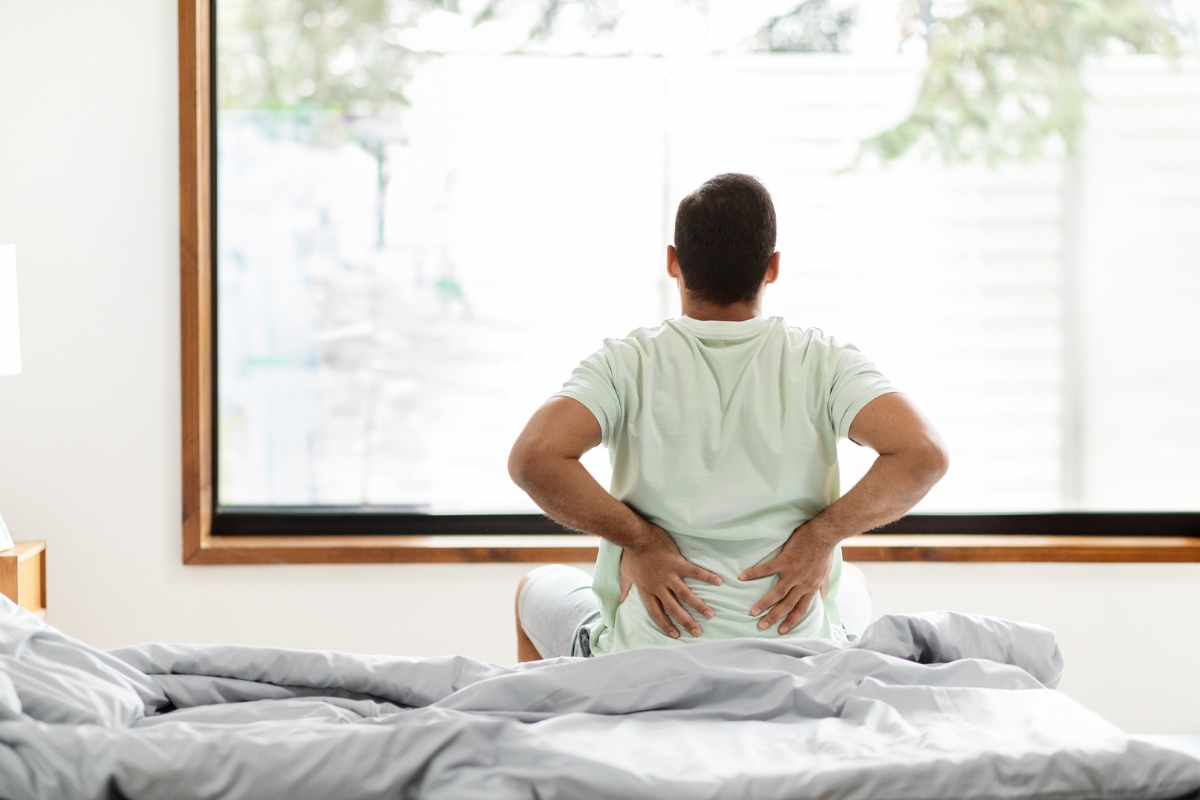
Maybe you always roll onto one side before getting out of bed because your back feels stiff first thing in the morning. Perhaps there’s a particular chair you avoid because you know how you’ll feel when you stand up again. You might automatically stretch your neck after a long drive, or there’s an exercise at the gym you quietly stopped doing months ago because something just doesn’t feel right.
None of those things necessarily means there is something seriously wrong. But when we make the same little adjustment day after day, it’s surprisingly easy to forget we’re making an adjustment at all.
November puts men’s health firmly in the spotlight, with conversations around everything from mental health and heart health to prostate and testicular cancer. Those conversations matter. But it’s also a useful opportunity to think about another part of our health that can easily be taken for granted: how comfortably we can move, work, exercise and get on with everyday life. Because sometimes the aches we’ve “learned to live with” are affecting us more than we realise.
When Did That Niggle Become Normal?
There’s a big difference between waking up sore after an unusually strenuous weekend and having the same problem come and go for six months. Most of us experience aches and pains occasionally. You might overdo it in the garden, try something new at the gym or spend a weekend tackling DIY and feel the consequences the following morning. Often, things settle and life carries on as normal.
But recurring discomfort can be different. Perhaps your lower back starts aching every time you drive for more than an hour. Your neck always feels tight by Friday afternoon. You no longer play five-a-side because your back tends to complain afterwards, or you’ve gradually reduced the weight you lift at the gym because a particular movement doesn’t feel comfortable.
What’s interesting is how quickly we become good at working around these things. Instead of asking why something keeps happening, we change the way we behave. We avoid the movement. We swap the chair. We stop doing the activity. And eventually, the workaround becomes part of everyday life. That doesn’t mean every recurring ache needs treatment. But if you’re repeatedly changing what you do because of discomfort, it’s worth paying attention.
Pain Doesn’t Always Begin With an Injury
One reason it can be easy to dismiss back or neck pain is that there isn’t always an obvious moment when it began. There may have been no fall, no dramatic sporting injury and no memorable occasion when you lifted something badly. Sometimes discomfort develops gradually alongside changes in activity, work, sleep, stress, strength or the amount of time we spend sitting.
We looked at this recently in Why Does My Back Hurt When I Haven’t Injured It? where we explored why back pain can sometimes appear without one obvious cause. That’s an important point when we’re talking about men’s health. You don’t need to have “done something” to your back before a recurring problem is worth taking seriously.
Your Back Is Part of Your Health Too
When we talk about looking after our health, we tend to think about the things we can measure: weight, blood pressure, cholesterol, fitness levels or what we’re eating. But being able to move comfortably matters too. Back or neck problems can affect much more than the few minutes when something actually hurts. They can change how you exercise, how well you sleep, what you do at weekends and even how willing you are to say yes to certain activities.
Back pain can also vary enormously from one person to another. As we discussed in our article Acute or Chronic Pain? Understanding the Difference, persistent pain doesn’t automatically mean there is ongoing damage. Pain is influenced by a range of factors, including previous injury, movement, strength, sleep, stress and general health. That’s why simply judging a problem by how much it hurts on one particular day doesn’t always tell the whole story. Sometimes a more useful question is: what has this stopped me doing?
What Have You Quietly Stopped Doing?
This is worth thinking about for a moment. Have you stopped running because your knee or back always bothers you afterwards? Do you avoid sitting on the floor because getting back up has become awkward? Have you given up an exercise you used to enjoy? Do you leave the heavy lifting to somebody else because you’re worried your back might go?
These changes can creep in gradually. And while adapting is sometimes sensible, particularly while recovering from an injury, avoiding movement indefinitely isn’t always the answer. Depending on the problem, gradually rebuilding movement, mobility and strength may be an important part of getting back to the things you enjoy. Regular movement is valuable for maintaining mobility as we get older. That doesn’t mean you need extraordinary flexibility or hours in the gym. Walking, resistance exercise, sport, mobility work and simply moving regularly throughout the day can all play a part.
Our recent article Can Yoga Help Improve Spinal Mobility? looked at this from another angle: maintaining movement through the spine and surrounding joints can help support flexibility and everyday movement. The best form of movement is often one you actually enjoy enough to keep doing.
Getting Older Doesn’t Mean Giving Up on Movement
Ageing inevitably brings changes to the body, but that doesn’t mean every new ache, loss of strength or restriction should automatically be filed under “getting old”. Maintaining strength and regular physical activity becomes increasingly important as we get older. And the goal isn’t necessarily to move like you did at 20.
It’s being able to keep doing the things that matter to you. That might mean playing golf, going cycling, keeping up with your children or grandchildren, working comfortably, travelling, gardening or simply being able to get up from the floor without giving it too much thought. Sometimes the most useful measure of physical health isn’t what you can lift or how far you can run. It’s whether your body allows you to live the life you want without constantly having to work around it.
Work Can Become Part of the Picture
Your job can have a significant influence on how your body feels too. For some men, that means spending most of the working day at a desk or behind the wheel. For others, it can mean lifting, bending, carrying, working overhead or repeating the same physical movements for hours.
Neither a desk job nor a physical job automatically causes back problems. But our bodies generally benefit from variety. Long periods spent in one position can leave us feeling stiff, while repetitive physical work can place its own demands on muscles and joints. Add commuting, evenings on the sofa and less movement outside work, and it becomes easy to see how our everyday routines can influence how we feel.
We’ve previously looked at the relationship between posture, movement and energy levels, including why regularly changing position can be more useful than trying to maintain one supposedly “perfect” posture all day.
When Should You Stop Putting Up With It?
There isn’t a magic number of days after which every ache suddenly becomes something to worry about. A better approach is to notice patterns. Is the problem happening repeatedly? Is it getting worse rather than better? Is it limiting your normal activities? Have you started avoiding things because of it? Does it keep returning every few weeks or months?
Those are all reasonable reasons to get some advice rather than simply continuing to work around the problem. There are also situations where back pain needs medical attention rather than simply being treated as an everyday musculoskeletal complaint. Severe or rapidly worsening symptoms, significant weakness or numbness, changes in bladder or bowel control, numbness around the groin or saddle area, unexplained weight loss, fever or feeling generally unwell alongside back pain should be assessed appropriately. The point isn’t to make every ache sound frightening. Quite the opposite. It’s about knowing the difference between something you can sensibly monitor and something that deserves further attention.
Men’s Health Is About More Than Not Being Ill
Men’s Health Awareness Month is a good reminder to think about health before something forces us to. That includes attending appropriate health checks, paying attention to changes in your body and seeking medical advice when something doesn’t seem right. But it can also mean noticing the smaller things that affect everyday quality of life.
How well are you moving? Are you staying active? Are you maintaining your strength? Is an old problem starting to dictate what you can and can’t do? You don’t have to obsess over every twinge, and nobody needs to feel perfect every morning. But there is a difference between occasionally feeling stiff and gradually reorganising your life around something that keeps hurting.
Have You Started Changing Your Life Around an Ache?
Perhaps that’s the question worth asking yourself this November. Not “Do I have any aches or pains?” Most of us could probably find one if we thought hard enough. Instead ask: “Is there something I’ve started doing differently because of one?”
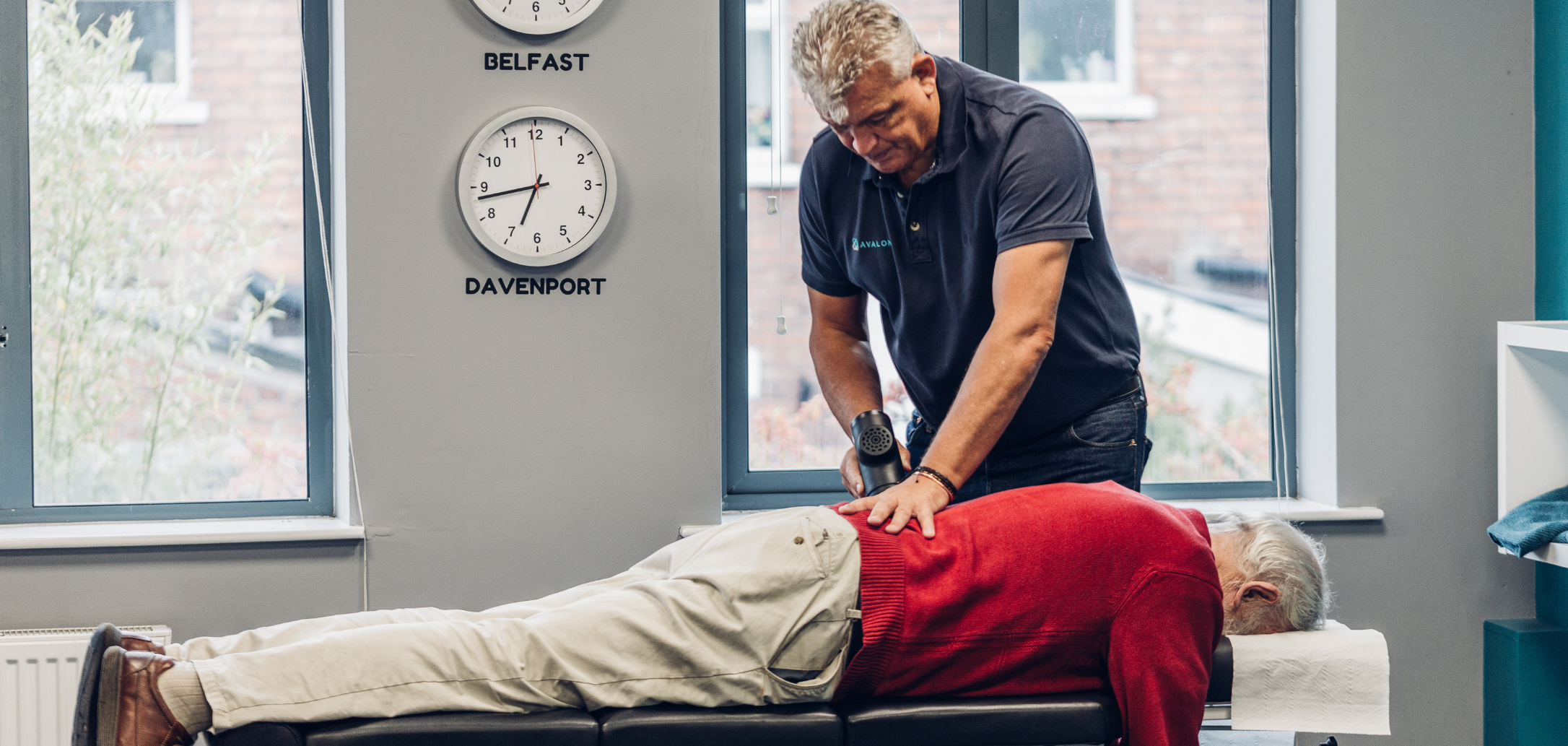
If the answer is yes, it may be worth understanding why. At Avalon Chiropractic in Belfast, we look at how your spine and joints are moving, along with factors such as posture, mobility and everyday activities that may be contributing to discomfort. You can read more about our approach to spinal health or get in touch with the clinic if you’d like to have a recurring problem assessed. The aim isn’t to worry about every ache and pain.
It’s to notice when you’ve started changing your life around one.

Men’s Health and Spinal Care
The Everyday Aches We Learn to Live With
Maybe you always roll onto one side before getting out of bed because your back feels stiff first thing in the morning. Perhaps there’s a particular chair you avoid because you know how you’ll feel when you stand up again. You might automatically stretch your neck after a long drive, or there’s an exercise at the gym you quietly stopped doing months ago because something just doesn’t feel right.
None of those things necessarily means there is something seriously wrong. But when we make the same little adjustment day after day, it’s surprisingly easy to forget we’re making an adjustment at all.
November puts men’s health firmly in the spotlight, with conversations around everything from mental health and heart health to prostate and testicular cancer. Those conversations matter. But it’s also a useful opportunity to think about another part of our health that can easily be taken for granted: how comfortably we can move, work, exercise and get on with everyday life. Because sometimes the aches we’ve “learned to live with” are affecting us more than we realise.
When Did That Niggle Become Normal?
There’s a big difference between waking up sore after an unusually strenuous weekend and having the same problem come and go for six months. Most of us experience aches and pains occasionally. You might overdo it in the garden, try something new at the gym or spend a weekend tackling DIY and feel the consequences the following morning. Often, things settle and life carries on as normal.
But recurring discomfort can be different. Perhaps your lower back starts aching every time you drive for more than an hour. Your neck always feels tight by Friday afternoon. You no longer play five-a-side because your back tends to complain afterwards, or you’ve gradually reduced the weight you lift at the gym because a particular movement doesn’t feel comfortable.
What’s interesting is how quickly we become good at working around these things. Instead of asking why something keeps happening, we change the way we behave. We avoid the movement. We swap the chair. We stop doing the activity. And eventually, the workaround becomes part of everyday life. That doesn’t mean every recurring ache needs treatment. But if you’re repeatedly changing what you do because of discomfort, it’s worth paying attention.
Pain Doesn’t Always Begin With an Injury
One reason it can be easy to dismiss back or neck pain is that there isn’t always an obvious moment when it began. There may have been no fall, no dramatic sporting injury and no memorable occasion when you lifted something badly. Sometimes discomfort develops gradually alongside changes in activity, work, sleep, stress, strength or the amount of time we spend sitting.
We looked at this recently in Why Does My Back Hurt When I Haven’t Injured It? where we explored why back pain can sometimes appear without one obvious cause. That’s an important point when we’re talking about men’s health. You don’t need to have “done something” to your back before a recurring problem is worth taking seriously.
Your Back Is Part of Your Health Too
When we talk about looking after our health, we tend to think about the things we can measure: weight, blood pressure, cholesterol, fitness levels or what we’re eating. But being able to move comfortably matters too. Back or neck problems can affect much more than the few minutes when something actually hurts. They can change how you exercise, how well you sleep, what you do at weekends and even how willing you are to say yes to certain activities.
Back pain can also vary enormously from one person to another. As we discussed in our article Acute or Chronic Pain? Understanding the Difference, persistent pain doesn’t automatically mean there is ongoing damage. Pain is influenced by a range of factors, including previous injury, movement, strength, sleep, stress and general health. That’s why simply judging a problem by how much it hurts on one particular day doesn’t always tell the whole story. Sometimes a more useful question is: what has this stopped me doing?
What Have You Quietly Stopped Doing?
This is worth thinking about for a moment. Have you stopped running because your knee or back always bothers you afterwards? Do you avoid sitting on the floor because getting back up has become awkward? Have you given up an exercise you used to enjoy? Do you leave the heavy lifting to somebody else because you’re worried your back might go?
These changes can creep in gradually. And while adapting is sometimes sensible, particularly while recovering from an injury, avoiding movement indefinitely isn’t always the answer. Depending on the problem, gradually rebuilding movement, mobility and strength may be an important part of getting back to the things you enjoy. Regular movement is valuable for maintaining mobility as we get older. That doesn’t mean you need extraordinary flexibility or hours in the gym. Walking, resistance exercise, sport, mobility work and simply moving regularly throughout the day can all play a part.
Our recent article Can Yoga Help Improve Spinal Mobility? looked at this from another angle: maintaining movement through the spine and surrounding joints can help support flexibility and everyday movement. The best form of movement is often one you actually enjoy enough to keep doing.
Getting Older Doesn’t Mean Giving Up on Movement
Ageing inevitably brings changes to the body, but that doesn’t mean every new ache, loss of strength or restriction should automatically be filed under “getting old”. Maintaining strength and regular physical activity becomes increasingly important as we get older. And the goal isn’t necessarily to move like you did at 20.
It’s being able to keep doing the things that matter to you. That might mean playing golf, going cycling, keeping up with your children or grandchildren, working comfortably, travelling, gardening or simply being able to get up from the floor without giving it too much thought. Sometimes the most useful measure of physical health isn’t what you can lift or how far you can run. It’s whether your body allows you to live the life you want without constantly having to work around it.
Work Can Become Part of the Picture
Your job can have a significant influence on how your body feels too. For some men, that means spending most of the working day at a desk or behind the wheel. For others, it can mean lifting, bending, carrying, working overhead or repeating the same physical movements for hours.
Neither a desk job nor a physical job automatically causes back problems. But our bodies generally benefit from variety. Long periods spent in one position can leave us feeling stiff, while repetitive physical work can place its own demands on muscles and joints. Add commuting, evenings on the sofa and less movement outside work, and it becomes easy to see how our everyday routines can influence how we feel.
We’ve previously looked at the relationship between posture, movement and energy levels, including why regularly changing position can be more useful than trying to maintain one supposedly “perfect” posture all day.
When Should You Stop Putting Up With It?
There isn’t a magic number of days after which every ache suddenly becomes something to worry about. A better approach is to notice patterns. Is the problem happening repeatedly? Is it getting worse rather than better? Is it limiting your normal activities? Have you started avoiding things because of it? Does it keep returning every few weeks or months?
Those are all reasonable reasons to get some advice rather than simply continuing to work around the problem. There are also situations where back pain needs medical attention rather than simply being treated as an everyday musculoskeletal complaint. Severe or rapidly worsening symptoms, significant weakness or numbness, changes in bladder or bowel control, numbness around the groin or saddle area, unexplained weight loss, fever or feeling generally unwell alongside back pain should be assessed appropriately. The point isn’t to make every ache sound frightening. Quite the opposite. It’s about knowing the difference between something you can sensibly monitor and something that deserves further attention.
Men’s Health Is About More Than Not Being Ill
Men’s Health Awareness Month is a good reminder to think about health before something forces us to. That includes attending appropriate health checks, paying attention to changes in your body and seeking medical advice when something doesn’t seem right. But it can also mean noticing the smaller things that affect everyday quality of life.
How well are you moving? Are you staying active? Are you maintaining your strength? Is an old problem starting to dictate what you can and can’t do? You don’t have to obsess over every twinge, and nobody needs to feel perfect every morning. But there is a difference between occasionally feeling stiff and gradually reorganising your life around something that keeps hurting.
Have You Started Changing Your Life Around an Ache?
Perhaps that’s the question worth asking yourself this November. Not “Do I have any aches or pains?” Most of us could probably find one if we thought hard enough. Instead ask: “Is there something I’ve started doing differently because of one?”
If the answer is yes, it may be worth understanding why. At Avalon Chiropractic in Belfast, we look at how your spine and joints are moving, along with factors such as posture, mobility and everyday activities that may be contributing to discomfort. You can read more about our approach to spinal health or get in touch with the clinic if you’d like to have a recurring problem assessed. The aim isn’t to worry about every ache and pain.
It’s to notice when you’ve started changing your life around one.