5 Travel Tips for Your Back This Summer
Do You Arrive on Holiday with a Sore Back You Didn’t Invite?
You’re not alone if you spend months looking forward to your holiday, only to arrive feeling stiff, uncomfortable and in need of a rest before the break has even begun.
For many people, it’s easy to blame the hotel mattress, flat pillows or awkward sunbeds. While those can certainly play a role, the strain often starts much earlier. From lifting heavy luggage to sitting for long periods during travel, there are several parts of the journey that can place extra stress on your back and neck.
The good news is that a few simple changes can make travelling much more comfortable. Here are five common travel habits that may aggravate your back and what you can do to minimise the impact.
1. Don’t Let Your Suitcase Do the Heavy Lifting
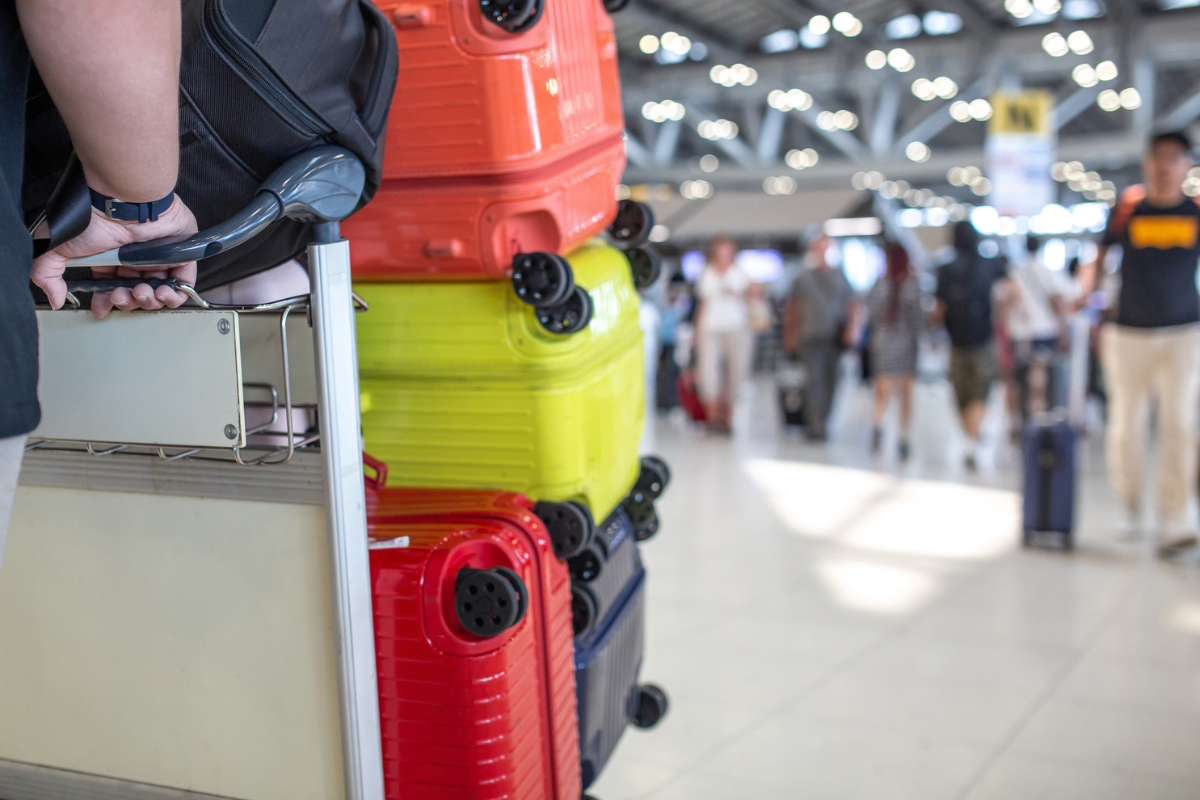
Holiday luggage can be surprisingly heavy. Between clothing, shoes, toiletries and holiday essentials, many suitcases end up weighing far more than we realise.
The biggest problem isn’t usually pulling the suitcase through the airport. It’s lifting it into the car boot, onto the airport check-in belt, or into overhead storage compartments.
Instead of bending forward and lifting with your back, try to get close to the suitcase, bend through your hips and knees, and use your legs to generate the lifting force. If a bag feels particularly heavy, don’t be afraid to ask for assistance.
A suitcase that earns a “HEAVY” sticker at check-in is probably worth treating with a little extra caution.
2. Break Up Long Periods of Sitting
Whether you’re travelling by plane, train or car, sitting in one position for several hours can leave muscles and joints feeling stiff.
When we stay still for extended periods, the hips, lower back and neck often begin to tighten. This can make getting up after a long journey feel uncomfortable and can sometimes aggravate existing aches and pains.
If possible, take opportunities to move around. Walk through the airport before boarding, stand up periodically during a flight, or plan short breaks during long drives. Even a few minutes of movement can help reduce stiffness and keep circulation flowing.
3. Be Careful Falling Asleep While Travelling
Few things feel better than drifting off during a long journey. Unfortunately, travel naps don’t always leave the body feeling refreshed.
Sleeping with your head tilted forward, leaning heavily to one side, or resting against a window for several hours can place strain on the neck and upper back.
If you expect to sleep during a flight, consider using a supportive travel pillow that helps keep your head in a more neutral position. The goal isn’t necessarily perfect posture, but reducing the amount of time your neck spends in awkward positions.
4. Pay Attention to Your Pillow at Your Destination
After travelling for hours, your body is often more sensitive to changes in sleeping position.
Hotel pillows vary enormously. Some are much thicker or flatter than what you’re used to at home, which can leave your neck and upper back feeling stiff by morning.
If your pillow feels too high, try removing one. If it feels too flat, fold a towel underneath for extra support. Small adjustments can make a surprising difference over the course of a week-long holiday. Check out our ‘sleeping positions‘ blog for tips on this.
5. Ease Into Holiday Mode
One of the most common mistakes people make is going from hours of sitting straight into full holiday activity.
After travelling, your muscles and joints may already be feeling stiff. Spending the afternoon carrying bags, exploring a new city, playing sports or lying awkwardly on a sunbed for hours can add further strain.
A short walk after arriving, some gentle stretching and regular movement throughout the first day can help your body adjust and reduce the likelihood of waking up sore the next morning.
Arrive Ready to Relax
A sore back doesn’t have to be part of the holiday experience.
By paying attention to how you lift luggage, breaking up long periods of sitting, supporting your neck while travelling and making small adjustments once you arrive, you can give your body a better chance of staying comfortable throughout your trip.
The aim isn’t perfect posture every minute of the journey. It’s simply reducing the small stresses that can build up along the way, so you arrive feeling ready to enjoy your holiday rather than recover from the trip.
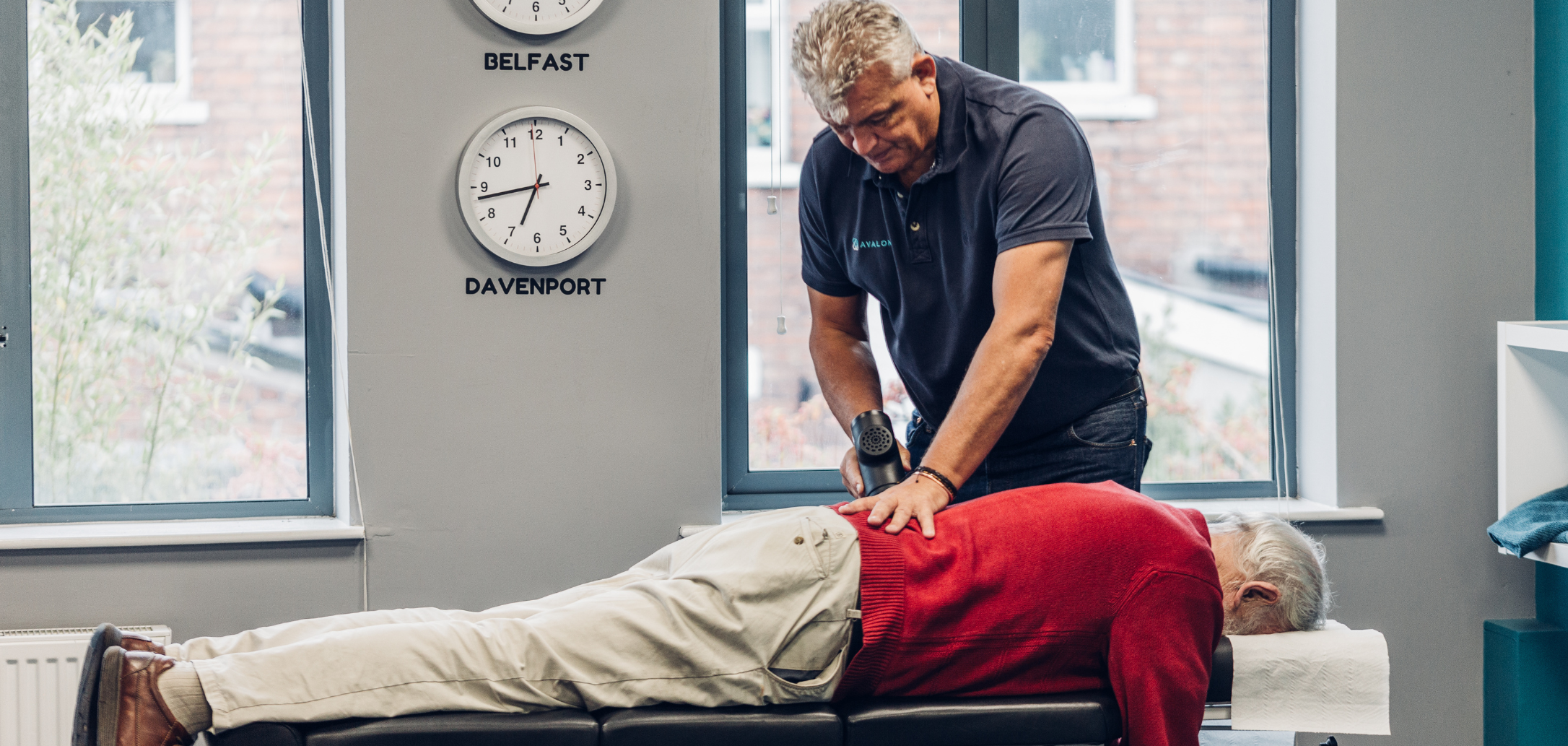
If you’re already dealing with back or neck discomfort before your holiday, it may be worth having it assessed before you travel. Addressing any existing stiffness, mobility restrictions or recurring aches beforehand can help you start your trip feeling more comfortable and prepared for the journey ahead.
Equally, if you’ve returned home feeling sore after long flights, road trips or days spent carrying luggage and exploring new places, we’re here to help. A chiropractic assessment can identify areas of tension or restricted movement and help you get back to feeling your best, so your holiday memories are about the experiences you enjoyed rather than the aches and pains you brought home with you.
Click here to book a consultation with us, or your regular adjustment.