What Happens to Your Body When the Clocks Go Back?
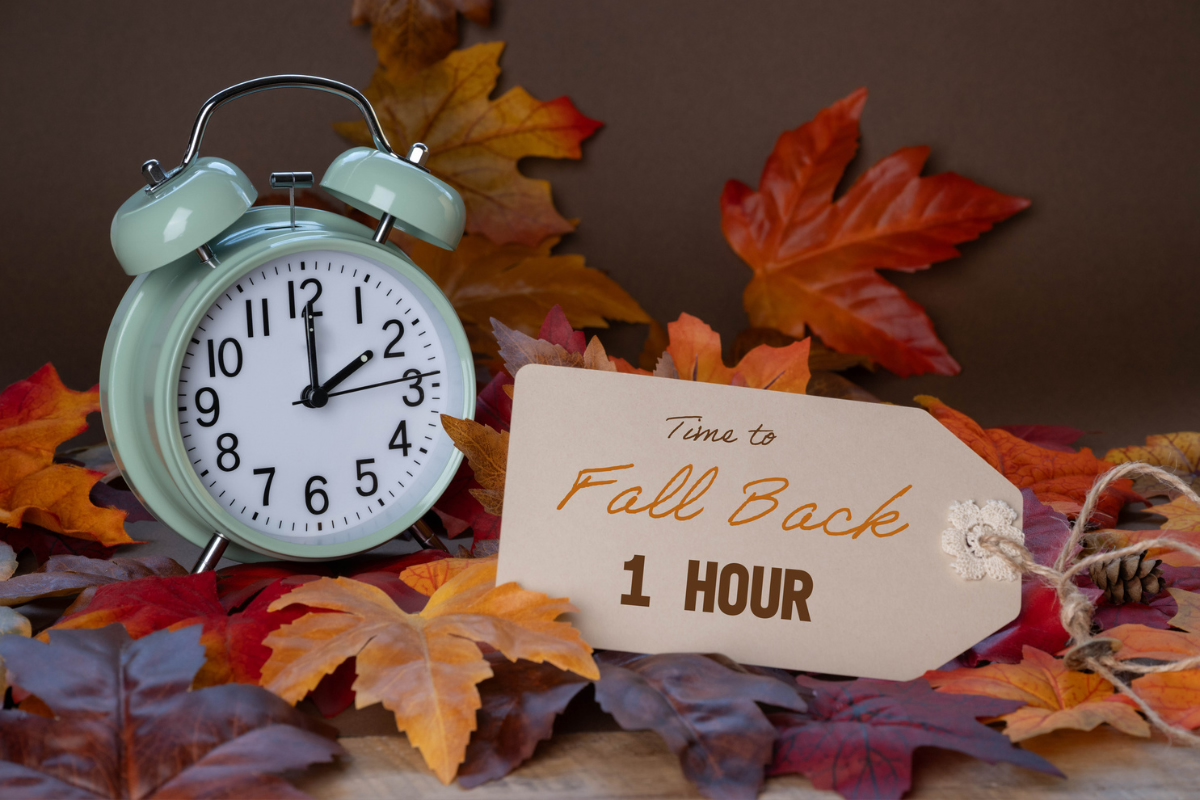
Every autumn, the clocks go back and we all talk about the same thing: an extra hour in bed.
It sounds like a small bonus at the end of October, but while the clocks on our phones change automatically, our bodies don’t work quite like that. We have our own internal timing system, known as our circadian rhythm, which helps regulate when we feel awake, when we become sleepy and how different processes within the body behave throughout the day.
So although moving the clocks back by an hour might not sound particularly dramatic, you may notice that you feel a little different for a few days afterwards. Add in darker evenings, changing routines and less time outdoors, and the transition into winter can affect more than simply what time you switch the lights on.
Your Body Has Its Own Clock
Your circadian rhythm follows a roughly 24-hour cycle and is strongly influenced by light and darkness. Morning light helps signal that it’s time to wake up and become alert, while darkness in the evening encourages the processes that prepare us for sleep.
When the clocks go back, our schedules suddenly move by an hour even though our internal rhythms don’t instantly follow.
For some people, the transition is barely noticeable. Others might wake earlier than usual, feel hungry at a different time, become tired earlier in the evening or simply feel a little out of sync for a few days.
The good news is that the body is very good at adapting, and for most of us this is a relatively small adjustment. However, it does highlight just how much our everyday wellbeing is influenced by routines that we rarely think about.
You May Gain an Hour – But That Doesn’t Automatically Mean Better Sleep
The promise of an extra hour in bed sounds wonderful, particularly if you’re already tired. Unfortunately, one longer night doesn’t necessarily undo an inconsistent sleep routine.
If your body is accustomed to waking at 7am, for example, it may still want to wake at what is now 6am. Likewise, you may find yourself becoming sleepy earlier in the evening until your internal clock catches up with the new schedule.
Sleep is about much more than the number of hours we spend in bed. Consistency matters too. Going to bed and waking at roughly similar times helps reinforce the body’s natural sleep-wake rhythm.
We’ve previously looked at the importance of healthy sleep habits in our article on sleep and spinal health, including the value of a regular sleep routine and creating a bedroom environment that supports good-quality rest.
Rather than dramatically changing your bedtime because the clocks have changed, give your body a little time to settle into its new routine.
Morning Light Becomes Even More Important
One of the simplest things you can do to support your body clock is something many of us naturally get less of during autumn and winter: daylight.
Light entering the eyes provides an important signal to the brain about what time of day it is. Getting outdoors in the morning, even for a short period, can therefore help reinforce your new wake-up time after the clocks change.
It doesn’t have to involve an elaborate morning routine. Opening the curtains as soon as you get up, having your breakfast somewhere bright or taking a short walk outside can all help expose you to morning light.
There’s another reason this can be useful. Cortisol naturally follows a daily rhythm and typically rises around the time we wake, helping the body become more alert and ready for the day. We explored this in more detail recently in Is Cortisol Behind Your Tiredness, Weight Gain and Aches?, where we looked at why working with the body’s natural morning rhythm can be more helpful than trying to fight against it.
In other words, that morning walk isn’t simply about getting some exercise. You’re also giving your body a very clear message: the day has started.
The Bigger Change May Actually Be the Darker Evenings
The clock change gets all the attention, but there’s something else happening at exactly the same time. Suddenly, it feels dark very early.
That can have a surprisingly big effect on our daily habits.
A walk after work that felt easy to fit in during September may be much less appealing when it’s cold and dark outside. We may spend more evenings on the sofa, drive journeys we previously walked or simply find ourselves spending longer indoors.
None of this is necessarily a problem on its own. The issue is how quickly those small changes can add up.
We’ve previously discussed what sitting does to your metabolism and why long periods of inactivity can leave the muscles doing very little work. Regular movement doesn’t have to mean going to the gym or doing a formal workout. Standing up, walking, stretching and simply changing position regularly all count.
This becomes particularly relevant as we head into the colder months. If darker evenings mean you’re naturally moving less, it may be worth finding other opportunities to build movement into your day.
Why You Might Feel Stiffer at This Time of Year
People sometimes notice that they feel stiffer as autumn turns into winter and assume the colder weather itself must be entirely responsible. Often, our changing habits deserve some attention too.
Think about what happens at this time of year. We spend more time indoors. We may sit for longer in the evenings. We walk less. We drive more. We might swap weekend activities outside for several hours on the sofa. The body generally responds well to movement and variety. Spending long periods in the same position can leave the back, hips, shoulders and neck feeling noticeably tighter when you eventually get up.
Our article Why Sitting All Day Feels Worse in Winter looks at this in more detail, particularly how reduced opportunities for natural movement during the colder months can contribute to stiffness.
So if you start feeling less mobile as the evenings draw in, don’t automatically blame October. Take a look at whether your routine has quietly changed too.
Tiredness Can Make Us Want to Move Even Less
This is where autumn can create a bit of a cycle. You feel tired because your sleep and routine have shifted, so you don’t particularly feel like going for a walk. You spend more time sitting because it’s dark outside, then find yourself feeling stiff and sluggish. Feeling sluggish makes exercise even less appealing, and before long your normal activity levels have dropped without you really noticing.
It doesn’t take a demanding workout to interrupt that pattern. Even a short walk can introduce movement through the hips, back and shoulders while getting you outside into natural light. In our article on Walking for Stress Relief, we looked at why walking can be such a useful way of reducing both physical tension and mental fatigue. Sometimes the simplest answer really is just to put your coat on and get outside for ten minutes.
Helping Your Body Adjust When the Clocks Go Back
You don’t need to completely reorganise your routine when the clocks change. In fact, keeping things relatively normal is often the easiest approach. Try to maintain reasonably consistent sleeping and waking times, and make the most of natural light earlier in the day. If possible, get outside in the morning, whether that’s walking to work, taking the dog out or simply having a short stroll before your day begins.
It’s also worth consciously protecting some of the movement that can disappear when the evenings become darker. Take a lunchtime walk rather than waiting until after work, stand up regularly if you’re working at a desk, stretch while the kettle boils or find an indoor activity you enjoy during the winter months.
Most importantly, pay attention to what your body is telling you. A little tiredness or a temporary change in sleep around the clock change may simply be part of adjusting. But ongoing fatigue, persistent sleep problems or pain shouldn’t automatically be dismissed as being caused by the season.
Small Changes Can Make Winter Feel Very Different
Turning the clocks back is only a one-hour change. What happens around it can be much bigger. Our exposure to daylight changes, evenings feel shorter, routines shift and many of us gradually become less active without consciously deciding to. That’s why this time of year can be a useful reminder to check in with the habits that help us feel our best.
Keep moving. Get outside when you can. Protect your sleep routine and make the most of daylight, particularly earlier in the day. And if the change in season has coincided with increasing stiffness, back or neck discomfort, or you’re finding that you’re simply not moving as freely as you normally would, it may be worth having it assessed.
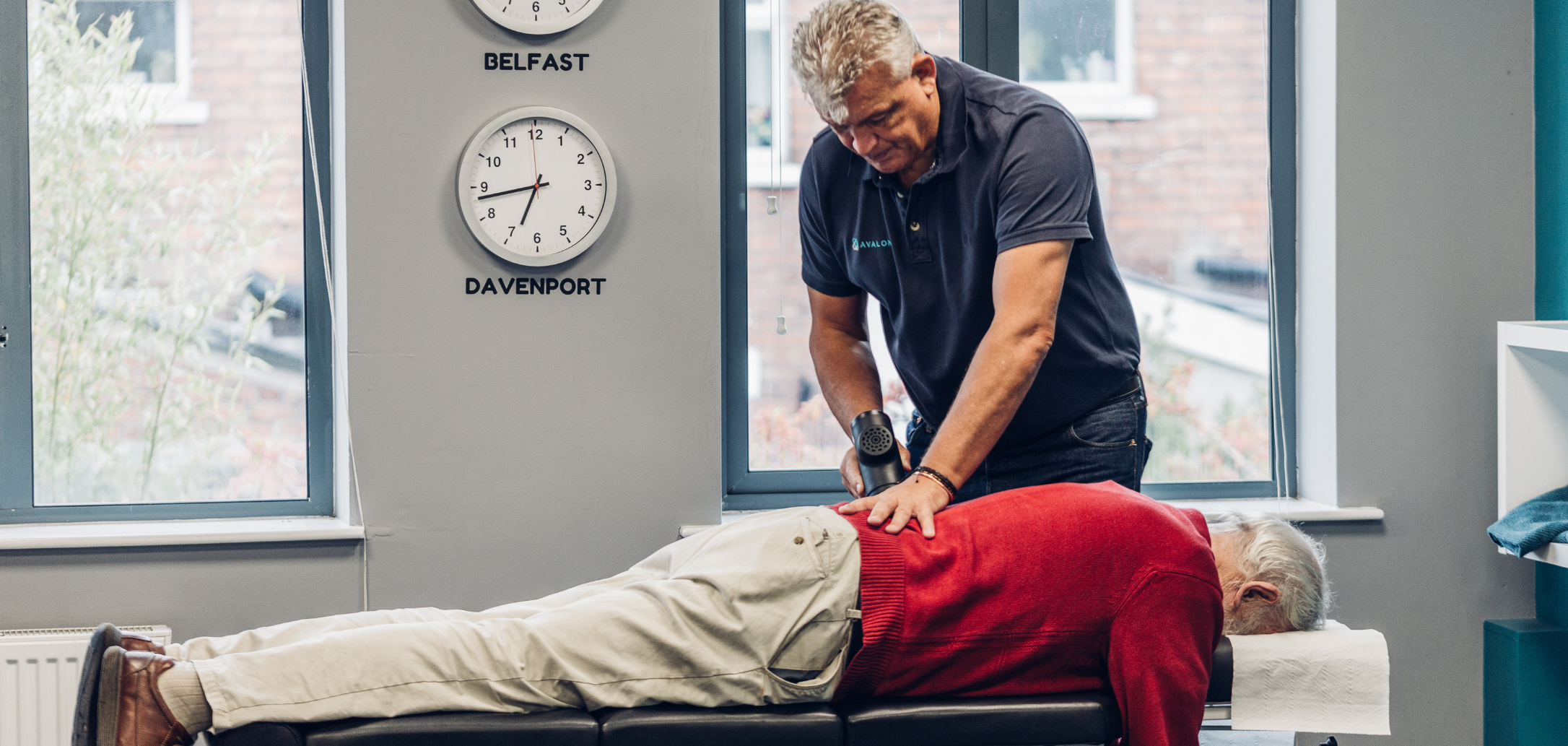
At Avalon Chiropractic in Belfast, we’re here to help you understand what’s contributing to discomfort or restricted movement and what you can do to keep your body moving well through autumn, winter and beyond.
Click here to book an appointment with us.