Walking for Stress Relief
A Simple Place to Start
When stress builds up, it’s easy to feel as though you need to do something complicated to manage it. Structured routines, strict plans, or significant lifestyle changes can all seem like the answer. In reality, one of the most effective places to start is often much simpler.
Walking is something most people can do without preparation, equipment, or pressure. It doesn’t require a certain level of fitness, and it can be adapted to fit around daily life. Because of that, it can be one of the easiest ways to begin easing both physical tension and mental strain.
Why Walking Makes a Difference
In a previous article, we looked at how movement supports the connection between the body and mind. Walking is a practical way of putting that into action.
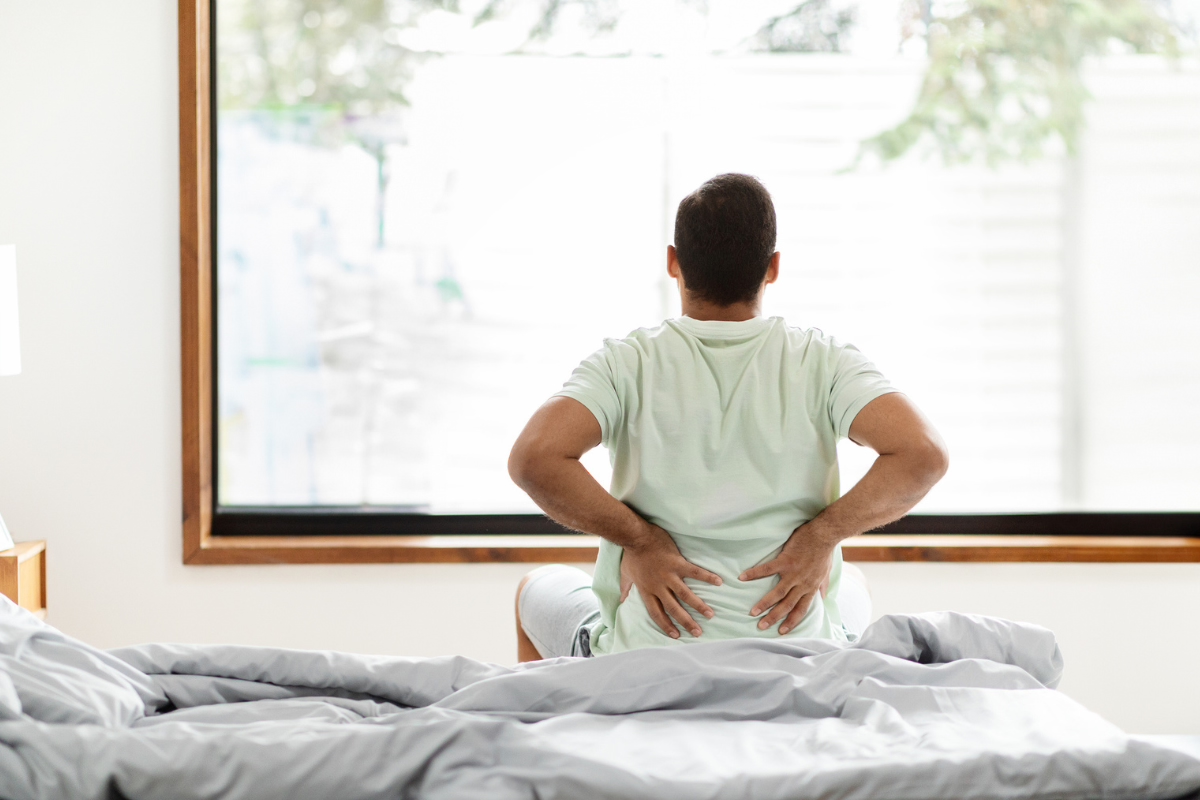
When the body stays still for long periods, it can begin to feel stiff and tense. That physical tension often sits in the shoulders, neck, and lower back—areas many people already associate with stress. Walking helps to gently reverse that. It introduces regular movement, encourages a more upright posture, and allows the body to shift away from a static position.
This change may seem small, but it can have a noticeable effect on how the body feels overall.
Easing Physical Tension
One of the most immediate benefits of walking is how it helps release built-up tension.
As you walk, muscles begin to move more freely. Areas that may have felt tight from sitting—such as the hips, back, and shoulders—are given the opportunity to loosen. The natural swing of the arms and steady movement through the spine can help reduce stiffness without forcing the body.
Over time, this can make a difference not only to comfort, but also to how the body holds itself throughout the day.
Supporting Breathing and Calm
Walking also has a natural effect on breathing. Rather than the shallow, restricted breathing that often comes with stress or prolonged sitting, movement encourages a deeper, more regular pattern.
This matters because breathing and stress are closely linked. When breathing becomes steadier, it can help the body feel more settled. Walking creates a rhythm—step by step—that many people find calming without needing to consciously focus on it.
It’s a simple shift, but one that can help take the edge off a busy or tense day.
Creating Space From Stress
Beyond the physical benefits, walking can provide a mental break.
Stepping away from screens, work, or a busy environment—even for a short time—can help reduce the constant input that often keeps the mind active. The repetitive nature of walking can also help settle racing thoughts, giving the mind a chance to slow down.
For some, being outdoors adds to this effect. Fresh air, natural light, and a change of surroundings can all contribute to a greater sense of ease. However, even a short walk indoors or around a workplace can still be beneficial.
Keeping It Realistic
It’s important to emphasise that walking does not need to be long or intense to be helpful.
Short, regular walks can be enough to make a difference. This might be ten minutes before or after work, a brief break during the day, or simply choosing to move more often rather than staying in one position for extended periods.
What matters most is consistency. Building small amounts of movement into daily routines is often more effective than occasional, more demanding efforts.
A Chiropractic Perspective
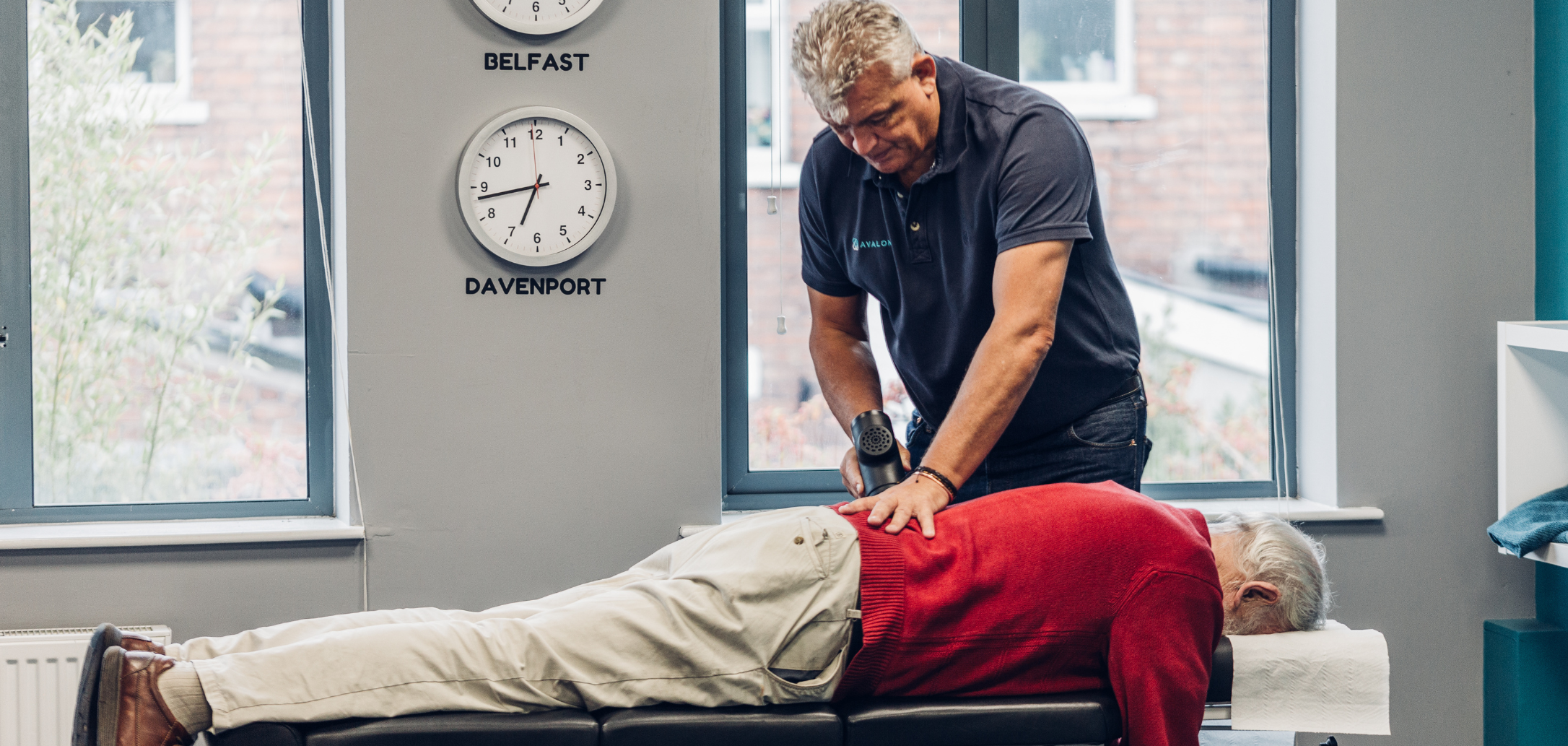
From a chiropractic point of view, regular movement plays an important role in maintaining how the body functions. Walking encourages gentle, repeated movement through the joints, particularly in the spine, which can help reduce stiffness associated with prolonged sitting.
When the body moves more freely, it often feels less tense. This can make day-to-day activities more comfortable and may help reduce the physical strain that contributes to feelings of stress.
Walking can also complement care by helping to maintain mobility between appointments, supporting longer-term improvements in how the body feels.
A Practical Way Forward
For many people, managing stress can feel overwhelming, especially when advice becomes complicated or difficult to maintain. Walking offers a straightforward alternative.
It does not need to be perfect, planned, or time-consuming. It simply needs to be consistent.
Starting with small, manageable steps—both literally and practically—can help the body feel less restricted and give the mind a chance to settle. Over time, these small changes can build into something more meaningful, supporting a greater sense of balance in day-to-day life.
Chiropractic care is another important aspect of looking after your mobility and overall health because it greatly impacts how well your body is able to move and function day to day. When joints, particularly in the spine, become restricted, it can lead to stiffness, discomfort, and ongoing tension. Addressing these areas can help the body feel more relaxed and move more freely, making it easier to stay active and consistent with simple habits like walking. If you’d like to book a consultation with us here in Avalon Belfast, click here.
Published by the Avalon team in Belfast 18th May 2026