5 Ways To Make Long Drives More Comfortable
It’s ‘that’ time of year so we’re continuing our holiday theme with this article for all those families, and individuals whose holidays include long drives.
Summer road trips, staycations, ferry journeys, and long drives to holiday destinations are all part of the adventure. However, spending several hours behind the wheel can often leave people feeling stiff, tired, and uncomfortable before they have even arrived.
In our recent article, 5 Tips To Avoid Back Pain On Long Flights, we discussed how prolonged sitting can place strain on the spine, hips, and surrounding muscles. Many of the same principles apply when travelling by car, but long drives bring a few additional challenges of their own.
The good news is that a little preparation can go a long way towards helping you arrive feeling more comfortable and ready to enjoy your trip.
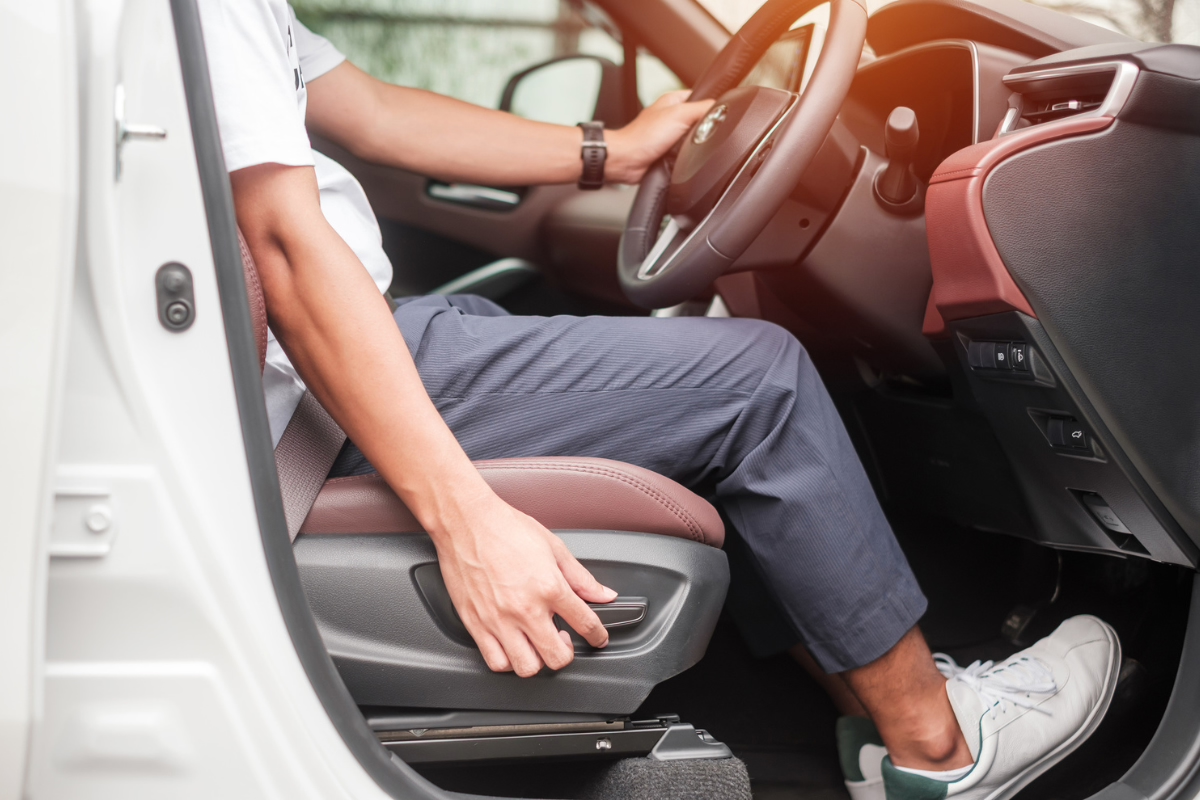
1. Set Up Your Driving Position Properly
Most people spend more time searching for the destination on google maps to navigate there than checking or adjusting the driving position they will be sitting in for hours. The way you sit can make a significant difference to how your body feels after several hours on the road.
Ideally, your seat should allow you to reach the pedals comfortably without stretching, while supporting the natural curve of your lower back. Your knees should be slightly bent rather than fully extended, and your shoulders should remain relaxed against the seat.
Small adjustments before you leave can help reduce unnecessary strain on your back, neck, shoulders, and hips throughout the journey and beyond.
2. Don’t Wait Until You’re Uncomfortable To Take A Break
One of the most common mistakes people make during long drives is waiting until they feel stiff or tired before stopping.
The body generally responds better to regular movement than prolonged periods of sitting. Taking a short break every couple of hours gives you the opportunity to stretch your legs, change position, and reset before stiffness begins building. (Even five minutes of movement can help.)
When you stop, take the opportunity to walk around, gently stretch, and move your body through a few different positions. Simple ankle circles, calf stretches, shoulder rolls, and gentle twists can all help encourage circulation and reduce the feeling of tightness that often develops during long periods in the car.
3. Fuel Yourself, Not Just The Car
When you stop to refuel your car, remember you might need some fuel to keep you hydrated, energised and safe. Fatigue is one of the biggest risks during long-distance driving. Eating and staying appropriately hydrated throughout the journey can help support concentration and alertness, particularly during busy holiday traffic or long motorway stretches.
Water should remain your primary source of hydration, but many drivers also benefit from stopping for a coffee and a proper break when fatigue starts creeping in. Healthy snacks can also help maintain energy levels more consistently than relying solely on sugary drinks or convenience foods. Most importantly, if you are feeling tired, stop and rest. No holiday is worth compromising road safety.
4. Be Careful Loading And Unloading Luggage
Ironically, some of the biggest strains during a road trip occur when the car is stationary. Suitcases, cool boxes, travel cots, bags, and holiday equipment often involve awkward lifting, twisting, and reaching into boots packed tightly with luggage when your muscles are already tired and overcompensating.
Try to lift with both hands where possible, keep heavier items close to your body, and avoid twisting while carrying weight. If something feels awkward or particularly heavy, take a moment to reposition yourself rather than forcing the lift. Many people blame the drive itself for their back pain, when the real culprit was lifting luggage into the car (twisting while lifting a heavy weight) before the journey even started.
5. Move As Soon As You Arrive
After several hours on the road, the temptation is often to collapse onto a sofa, sun lounger, or hotel bed. While a little relaxation is certainly deserved, a short walk can do wonders for reducing the stiffness that often develops during long journeys. Getting the hips, spine, and legs moving again helps restore mobility, get blood flowing again and can leave you feeling much more comfortable later in the day.
Whether you’re arriving at a hotel, holiday cottage, caravan park, or ferry terminal, spending ten minutes walking around before settling in is often a simple yet effective way to help your body recover from the journey.
Why Long Drives Can Feel So Draining
Unlike air travel, drivers cannot simply change position freely, stretch whenever they want, or fall asleep when they feel tired. Maintaining focus for several hours while sitting in a relatively fixed position places demands on both the body and mind.
Even though you are sitting down, many muscles remain active for hours at a time. The muscles supporting your posture, stabilising your spine, holding your shoulders in position, and controlling your legs on the pedals are all working in the background. Unlike walking or exercising, these muscles often remain under low levels of tension for prolonged periods without much opportunity to relax or change position.
Over time, this can contribute to feelings of muscular fatigue, stiffness, and general discomfort, particularly through the neck, shoulders, lower back, and hips. Combined with the concentration required for driving, long periods of sitting, busy traffic, and reduced movement, it’s easy to see why many people feel surprisingly drained after spending several hours on the road.
This is one reason why regular breaks, movement, hydration, and good preparation are so important—not only for comfort, but for safety too.
A Chiropractic Perspective
From a chiropractic perspective, long drives often highlight areas of the body that are already struggling.
A small restriction in the lower back, stiffness through the hips, or ongoing neck tension may feel manageable during everyday life, but several hours in the car can often magnify those issues.
Many of our regular patients choose to book an adjustment before travelling, particularly if they have a long journey planned. Likewise, if you have an ongoing niggle that never quite seems to settle, or simply want peace of mind before setting off, a consultation can help identify areas of restriction before they have the opportunity to affect your holiday.
At Avalon Chiropractic Belfast, assessments may include posture analysis, spinal scans, mobility testing, and movement assessment to help identify areas that may be contributing to stiffness, discomfort, or restricted movement.
Start Your Holiday Feeling Your Best
Long drives are often an unavoidable part of a great holiday, but arriving stiff, sore, and exhausted does not have to be.
A few simple habits—good driving posture, regular breaks, staying hydrated, moving frequently, and being mindful when handling luggage—can make a noticeable difference to how comfortable you feel when you reach your destination.
After all, the goal is to start enjoying your holiday as soon as you arrive, not spend the first few days recovering from the journey.