Why You Feel Stiff After Being More Active
What your body is adapting to—and how to make it easier
It’s something a lot of people notice around this time of year.
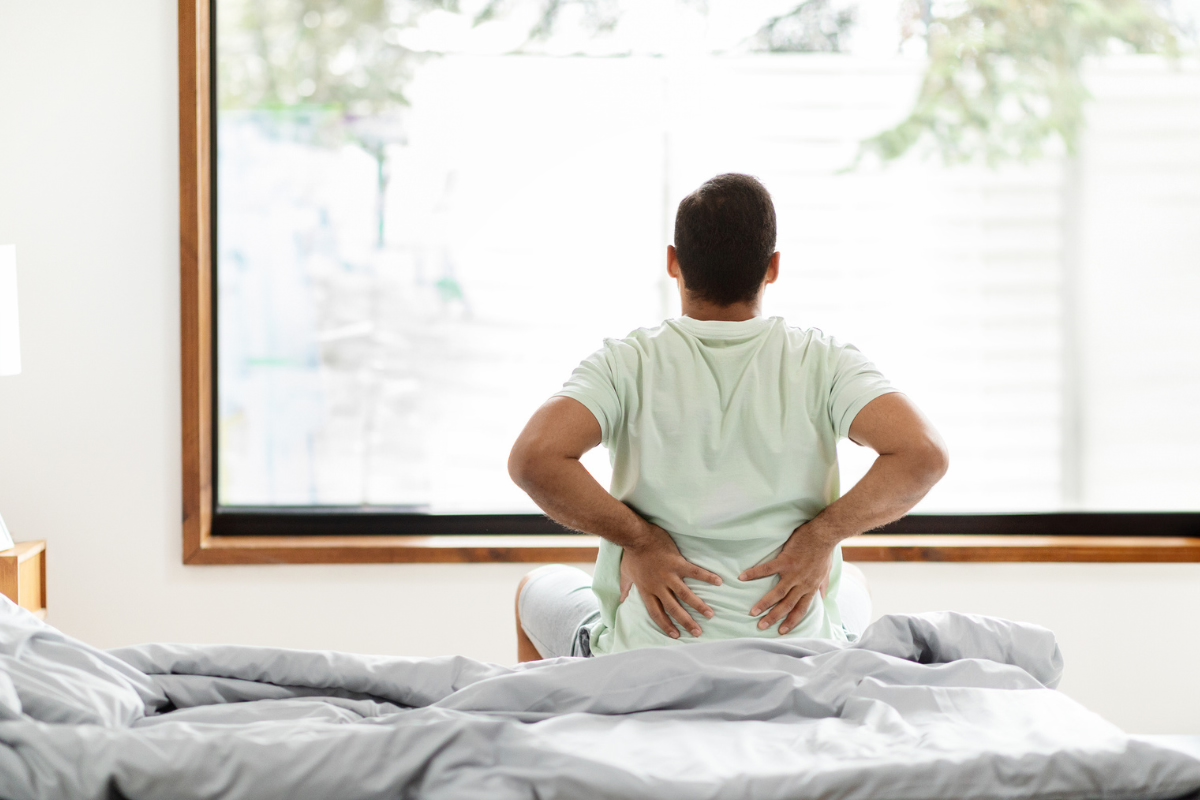
You start moving a bit more—walking further, getting back into the garden, or just being more active day to day—and instead of feeling better, the next morning you feel… stiff.
There’s a bit of tightness, maybe some mild aches, and a sense that your body is working harder than it used to. It can feel unexpected, especially when the activity itself didn’t seem particularly demanding.
Why This Happens When You Start Doing More
When your activity levels increase—even in a positive way—your body has to adapt to that change.
If you’ve been less active for a while, even a small increase can feel like a big jump. A longer walk than usual, a few hours in the garden, or simply being on your feet more can all add up. That’s usually where the stiffness creeps in.
It’s not necessarily about anything being wrong. More often, it’s that your muscles and joints are being asked to do more than they’ve been doing recently. The body is adjusting to a new level of demand, and in the short term, that can show up as tightness or discomfort.
Given a bit of time and consistency, things often settle as your body adapts.
Why It Feels More Noticeable
Part of the reason this stands out is the contrast.
If your routine has involved a lot of sitting or relatively low levels of movement, your body gets used to that. When you suddenly change that pattern—even in a positive way—it becomes much more noticeable.
You might find yourself more aware of certain areas, or feeling stiffness in places that haven’t bothered you before. That doesn’t necessarily mean you’ve done anything wrong. It often just reflects that you’re using your body differently.
It’s Not About Doing Less
The instinct for some people is to ease off completely when they start to feel stiff. But in many cases, the answer isn’t to stop—it’s to adjust.
Staying active is still one of the most important things you can do for your overall health. The key is to build it up in a way your body can keep up with.
That might mean doing a little less to begin with, taking breaks, or spreading activity out over a few days instead of doing everything in one go.
Small Changes That Make It Easier
Often, it’s not about changing what you do, but how you do it.
Moving a bit more regularly throughout the day, rather than in one long block, can make a noticeable difference. Changing position frequently, rather than staying in one posture for too long, also helps reduce that feeling of stiffness building up.
And as we touched on in our recent article on the power of nature for your health, staying consistently active—rather than going through cycles of doing a lot and then very little—is what tends to support your body best over time.
If your activity includes things like gardening, it’s also worth being aware of how you’re moving. Repeated movements, especially if they involve twisting or reaching, can add extra strain without you realising. Small adjustments there can go a long way, which we’ve covered in more detail in our article on back pain after gardening.
When It’s Worth Paying Attention
Some stiffness after doing more than usual is fairly common, particularly if you’re returning to activity after a quieter period.
But if it’s not settling, keeps coming back, or starts to affect how comfortably you move day to day, it’s worth looking into.
Often, these patterns are easier to address early, before they become more limiting.
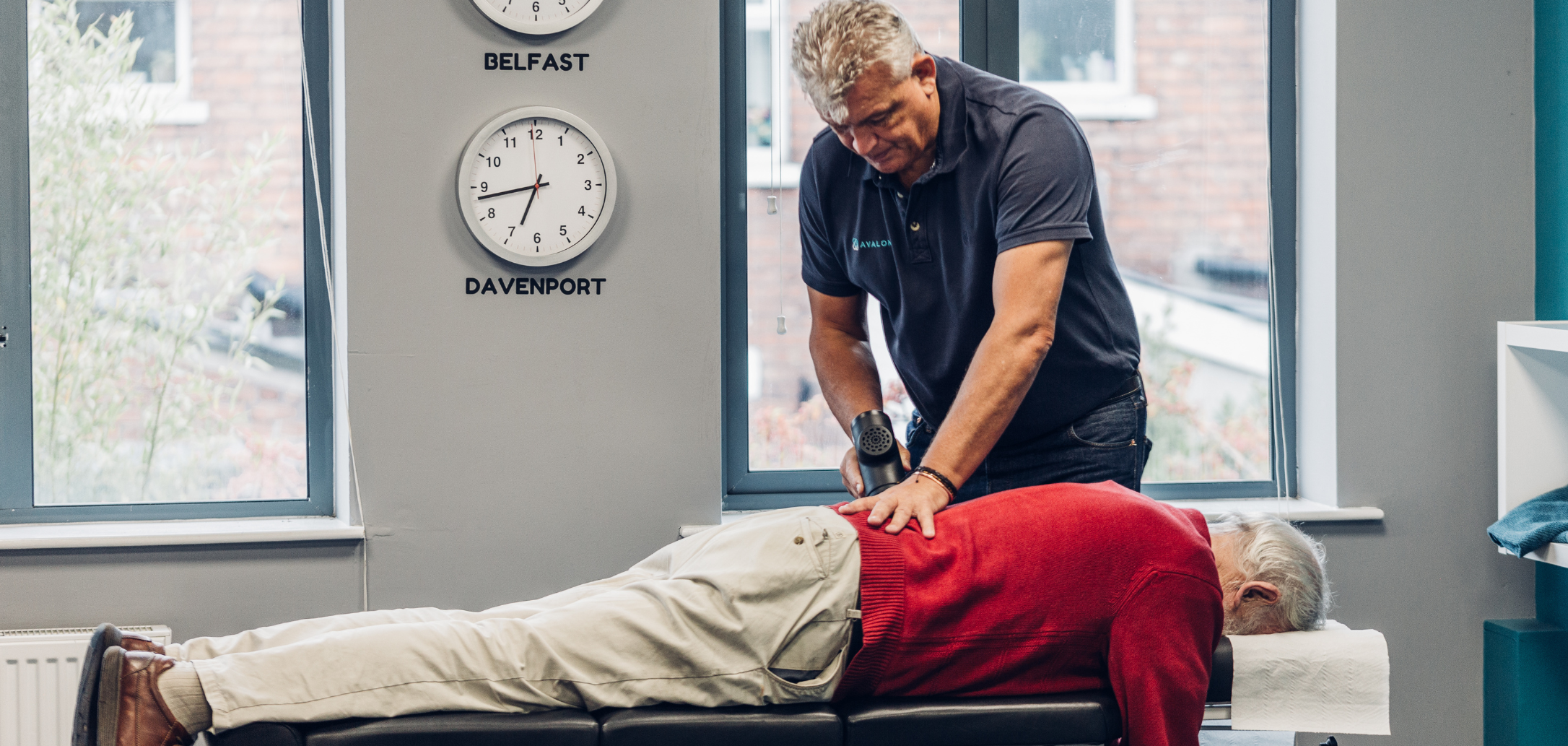
How Chiropractic Care Can Support You
Chiropractic care focuses on how your body moves and functions.
If certain areas aren’t moving as well as they could, others can end up taking on more of the load—especially when activity levels increase.
Looking at how your body is moving overall can help identify where that extra strain might be coming from, and support you in staying active more comfortably.
Feeling a bit stiff after becoming more active is something many people experience. It’s often a sign that your body is adjusting to doing more, and not necessarily a sign that they can just ‘do less’ now.
With a gradual approach and a bit of consistency, things usually start to feel easier. And with a few small adjustments, you can keep building on that progress without unnecessary setbacks.
Book a Chiropractic Assessment in Belfast
If you’re becoming more active but noticing ongoing stiffness or discomfort, it can help to understand how your body is moving.
You can book an appointment online at Avalon Chiropractic in Belfast and take a more informed, proactive approach to staying active.
Disclaimer
This article is for general information only and is not intended as medical advice. If you have ongoing or worsening symptoms, it’s important to seek appropriate professional guidance.